
↗
Hard-to-capture new visitors
Traditional processes often require customers to wait until checkout to be guided to become members; if customers only browse without making a purchase, the brand struggles to maintain the interaction.
Connect online search, knowledge bases, LINE, interactive displays and robots so customer intent can continue from planning to the physical location.
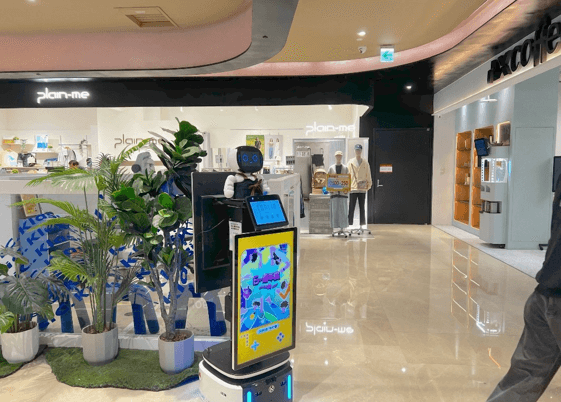
Walk-in visitors may leave without joining a membership program. Service quality varies by staff experience, and peak periods create conflicts between consultation and checkout.
Traditional processes often require customers to wait until checkout to be guided to become members; if customers only browse without making a purchase, the brand struggles to maintain the interaction.
With a large number of products, rapid information updates, and differences in training time and individual experience, the completeness and quality of on-site explanations can easily vary.
During peak hours, the number of staff is limited, making it impossible to simultaneously respond to product inquiries, provide shopping guidance, and handle checkout; customers can only wait or leave on their own.
Integrating product, service, promotion, and venue information into a shared knowledge layer not only serves customers but also acts as a work assistant and training platform for store employees.
Pain Points:With numerous and rapidly updated products, it's difficult to remember all the information. Employees can use natural language to instantly query specifications, differences, and recommendation methods, improving response efficiency and professionalism.
Transforming existing knowledge into interactive Q&A and contextual learning allows new employees to practice according to standard content, reducing repetitive training costs and shortening the learning curve.
Connecting the knowledge base to robots or interactive screens provides product consultation, promotional guidance, venue navigation, and basic interaction, alleviating frontline service needs.
Customers don't need to know the correct product name or location beforehand; they only need to state their needs, and the AI can understand their intent, search for relevant information, and then provide further guidance through on-site equipment.
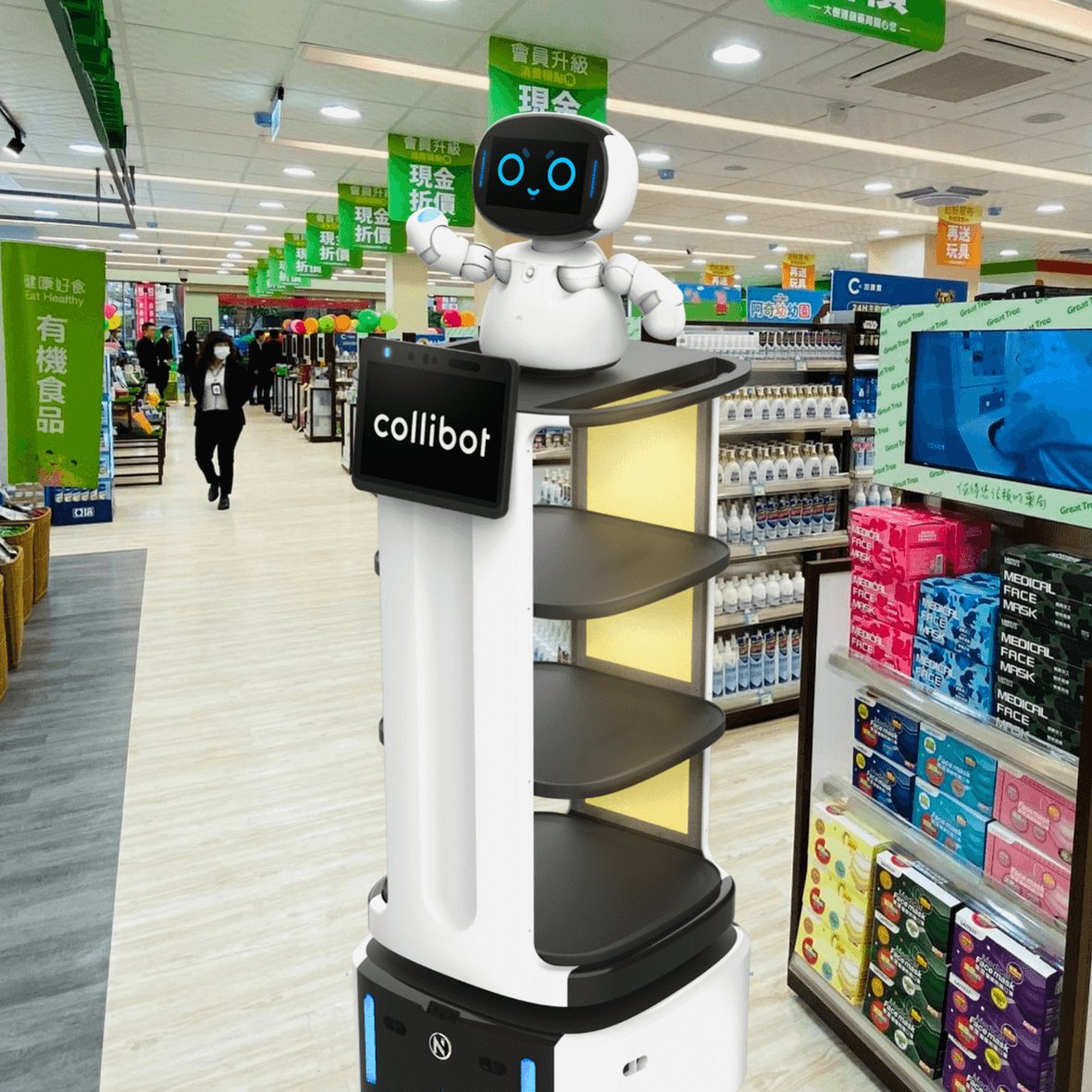
AI reception can provide initial guidance, answer common questions and recommend the next action. Retail, exhibitions and tourism spaces can each apply the same foundation differently.
When customers proactively inquire about products, AI analyzes their needs and provides counter navigation, and can recommend related products and offers based on product and inventory data.
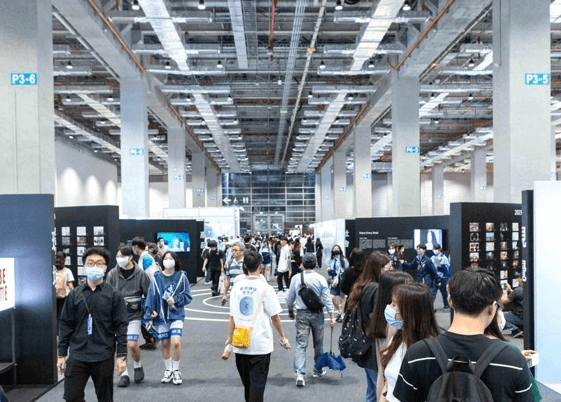
When guests state their needs, AI instantly searches and matches exhibitors, helping to quickly locate target booths and becoming an all-weather business development assistant.
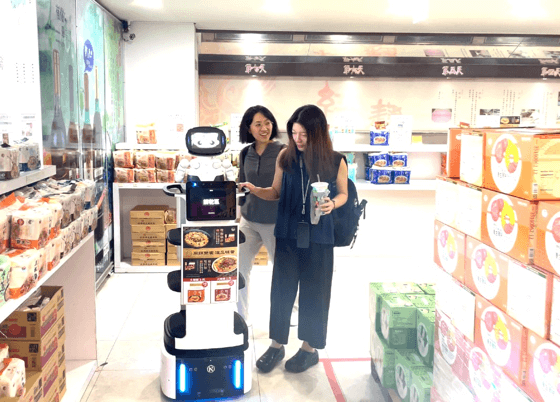
Based on traveler preferences, language, and current context, the robots dynamically recommend attractions, restaurants, and activities, providing travel guidance that is more tailored to individual needs than standard maps.
In Odawara, LINE guidance and an on-site robot connect travel planning with local discovery. At Akachan Honpo, multilingual product knowledge helps international shoppers ask questions in familiar language.
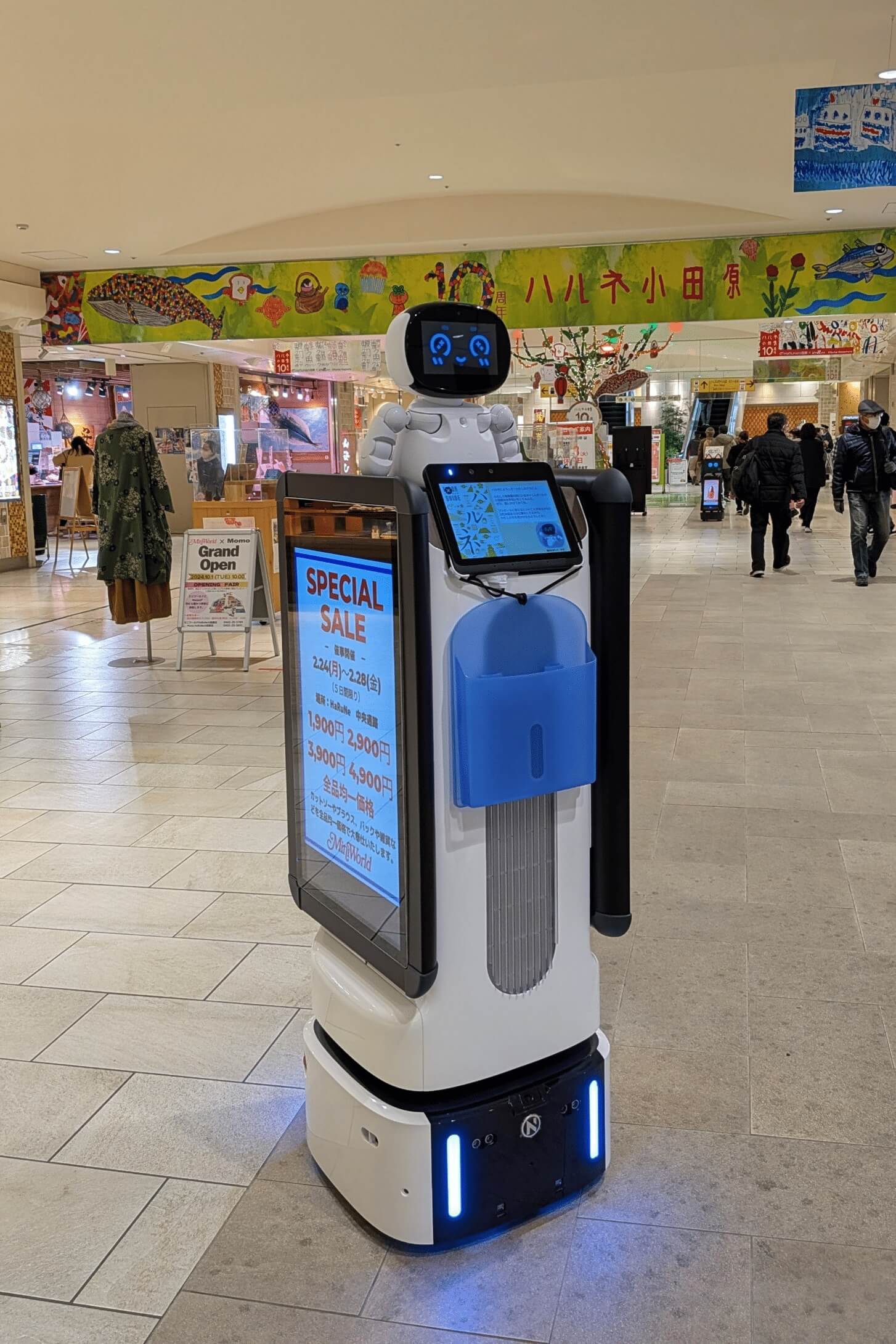
We collaborated with Odawara City, Japan, integrating LINE's portable digital tour guide with the underground shopping mall's tour guide robots. Whether planning their trips online or searching for attractions and restaurants on-site, travelers can receive personalized suggestions and navigation in their familiar language.
Read the Odawara caseTaking the shopping scenario of Chinese-speaking tourists as an example, AI can understand natural language needs, providing real-time cross-linguistic searches, product suggestions, and on-site guidance, reducing communication barriers between foreign tourists and Japanese product information, and creating a more user-friendly shopping experience.
Read the Akachan Honpo caseWe can map visitors, service questions, devices and data into a practical pilot.